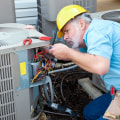
Understanding HVAC maintenance plans is crucial for homeowners and business owners alike, as these plans serve as a proactive approach to ensuring the longevity and efficiency of heating and cooling systems. At their core, HVAC maintenance plans are agreements between the customer and an HVAC service provider that outline regular maintenance services designed to keep your systems running smoothly. These plans typically include routine inspections, cleaning, and necessary adjustments that can prevent minor issues from escalating into major problems.The importance of HVAC maintenance cannot be overstated. Regular maintenance not only enhances the performance of your heating and cooling systems but also contributes to energy efficiency, which can lead to significant cost savings on utility bills.
A well-maintained system operates more efficiently, reducing energy consumption and minimizing wear and tear on components. This is particularly important in regions with extreme weather conditions, where reliable heating and cooling are essential for comfort and safety.Moreover, HVAC maintenance plans often provide peace of mind for homeowners. Knowing that a professional is regularly checking your system can alleviate concerns about unexpected breakdowns, especially during peak seasons when demand for HVAC services is high. Many plans also include priority service for members, ensuring that you receive prompt attention in case of emergencies.
This level of service can be invaluable when you need it most.In summary, understanding the fundamentals of HVAC maintenance plans is the first step toward making informed decisions about your heating and cooling systems. By investing in a comprehensive maintenance plan, you not only protect your investment but also enhance the comfort and safety of your living or working environment.
Key Benefits of HVAC Maintenance Plans
Investing in an HVAC maintenance plan offers numerous advantages that can significantly enhance the performance and longevity of your heating and cooling systems. Here are some of the key benefits:- Cost Savings on Repairs: One of the most compelling reasons to enroll in a maintenance plan is the potential for substantial cost savings. Regular maintenance helps identify minor issues before they escalate into major problems that require expensive repairs.
For instance, a simple cleaning of the condenser coils can prevent a breakdown that might necessitate a costly compressor replacement. Many plans also include discounts on repairs, which can further reduce your overall expenses.
- Improved Energy Efficiency: An HVAC system that is well-maintained operates more efficiently, leading to lower energy bills. When components like filters and coils are clean, the system doesn’t have to work as hard to heat or cool your home. This efficiency not only saves you money but also reduces your carbon footprint, making it an environmentally friendly choice.
- Extended Equipment Lifespan: Regular maintenance can significantly extend the lifespan of your HVAC equipment.
Just like any other machinery, heating and cooling systems benefit from routine check-ups and servicing. By ensuring that all parts are functioning optimally, you can avoid premature failures and the need for early replacements, which can be a significant financial burden.
- Enhanced Comfort: A well-maintained HVAC system provides consistent heating and cooling throughout your home. This means fewer temperature fluctuations and improved indoor air quality, contributing to a more comfortable living environment. Regular maintenance helps ensure that your system is capable of meeting your comfort needs year-round.
- Priority Service: Many HVAC maintenance plans offer priority service for their members.
This means that in the event of an emergency breakdown, you will receive faster response times compared to non-members. This can be particularly crucial during extreme weather conditions when heating or cooling is essential for safety.
Preventative Maintenance: A Smart Investment
Investing in preventative maintenance for your HVAC system is not just a wise choice; it’s a strategic financial decision that can yield significant long-term savings. Homeowners often overlook the importance of regular maintenance, assuming that their systems will function without intervention.However, neglecting routine care can lead to costly repairs and inefficient operation.One of the primary benefits of a preventative maintenance plan is the early detection of potential issues. During scheduled maintenance visits, trained technicians can identify minor problems before they escalate into major failures. For instance, a small refrigerant leak, if left unchecked, can lead to compressor failure—a repair that can cost thousands of dollars. By addressing these issues early on, homeowners can avoid unexpected expenses and ensure their systems run smoothly.Moreover, regular maintenance enhances the efficiency of your HVAC system.
Systems that are well-maintained operate more effectively, consuming less energy to achieve the desired temperature. This efficiency translates into lower utility bills, which can add up significantly over time. In fact, studies have shown that regular maintenance can improve energy efficiency by as much as 15% to 20%. This means that the initial investment in a service contract can quickly pay for itself through reduced energy costs.Additionally, many HVAC service contracts include comprehensive coverage for parts and labor associated with routine maintenance tasks. Systems that are well-maintained operate more effectively, consuming less energy to achieve the desired temperature. This efficiency translates into lower utility bills, which can add up significantly over time. In fact, studies have shown that regular maintenance can improve energy efficiency by as much as 15% to 20%. This means that the initial investment in a service contract can quickly pay for itself through reduced energy costs.Additionally, many HVAC service contracts include comprehensive coverage for parts and labor associated with routine maintenance tasks.
This often encompasses services such as:
- Cleaning and replacing air filters
- Inspecting and cleaning coils
- Checking refrigerant levels
- Lubricating moving parts
- Testing thermostat accuracy
Homeowners should consider these factors when evaluating their options for HVAC service contracts, ensuring they choose a plan that aligns with their long-term savings goals.
What to Expect from an HVAC Maintenance Plan
When you invest in an HVAC maintenance plan, you are essentially securing peace of mind for your heating and cooling systems. These plans typically encompass a variety of essential services designed to keep your system running efficiently and to extend its lifespan. Understanding what is included in these maintenance plans can help you make an informed decision about which service contract best suits your needs.Common Services Included in HVAC Maintenance Plans
- Regular Inspections: Most maintenance plans include scheduled inspections, usually biannually, where a qualified technician will assess the overall condition of your HVAC system. This includes checking for any signs of wear and tear, ensuring that all components are functioning correctly, and identifying potential issues before they escalate.
- Cleaning Services: Dust and debris can accumulate in your HVAC system, leading to inefficiencies and potential breakdowns.
Maintenance plans often include thorough cleaning of critical components such as the condenser coils, evaporator coils, and air filters. This not only improves air quality but also enhances system efficiency.
- Lubrication of Moving Parts: Many HVAC systems have moving parts that require lubrication to function smoothly. Regular lubrication helps prevent friction-related wear and tear, which can lead to costly repairs down the line.
- Leak Detection: A crucial aspect of HVAC maintenance is identifying refrigerant leaks. Technicians will check for leaks in the system, which can significantly impact performance and energy efficiency.
- Emergency Services: Many service contracts offer emergency support without additional fees.
This means that if your system fails unexpectedly, you can receive prompt assistance without worrying about extra costs.
- Replacement of Small Parts: Some maintenance plans may cover the replacement of minor components such as capacitors or contactors, which can fail over time. This proactive approach can save you from larger repair bills later on.
Typical HVAC Maintenance Tasks
The specific tasks performed during a maintenance visit can vary by provider, but they generally include:
- Checking thermostat settings to ensure accurate temperature control.
- Inspecting electrical connections for safety and reliability.
- Testing system controls to confirm proper operation.
- Examining ductwork for leaks or blockages that could hinder airflow.
Choosing the Right HVAC Maintenance Plan
When it comes to selecting the right HVAC maintenance plan, it’s essential to consider several factors that align with your specific needs and circumstances. A well-chosen maintenance plan can enhance the efficiency of your heating and cooling systems, prolong their lifespan, and ultimately save you money in the long run.1.Assess Your HVAC System
- Before diving into various plans, take a moment to evaluate your current HVAC system.
Consider its age, condition, and any previous issues you may have encountered. Newer systems may come with warranties that include maintenance, while older units might benefit significantly from a comprehensive service contract.
2.Understand Your Usage Patterns
- How often do you use your heating and cooling systems? If you live in an area with extreme temperatures or use your HVAC system year-round, a more robust maintenance plan may be necessary. Regular usage can lead to wear and tear, making preventive maintenance crucial.
3.Compare Services Offered
- Not all HVAC maintenance plans are created equal. Some may offer basic services like annual inspections and filter changes, while others provide extensive coverage that includes emergency repairs, parts replacement, and priority service.
Make a list of what services are most important to you and compare different plans accordingly.
4.Review Terms and Conditions
- It’s vital to read the fine print of any service contract before signing up. Look for details regarding:
- Coverage Limits: Are there caps on the number of service calls or specific exclusions?
- Response Times: How quickly can you expect service in case of an emergency?
- Cancellation Policies: What happens if you decide to cancel the plan?
5.Seek Recommendations
- Don’t hesitate to ask friends, family, or neighbors about their experiences with local HVAC companies. Personal recommendations can provide valuable insights into the reliability and quality of service offered by different providers.
6.Evaluate Cost vs. Value
- While it might be tempting to choose the cheapest option available, consider the overall value of the plan.
A slightly higher investment in a comprehensive maintenance contract could save you from costly repairs down the line.
The Role of Service Contracts in HVAC Maintenance
When it comes to maintaining your HVAC system, understanding the role of service contracts is crucial. These contracts serve as a safety net, providing homeowners with peace of mind by covering unexpected repairs and emergencies that may arise outside of routine maintenance. While maintenance plans focus primarily on preventive care, service contracts extend that coverage to include significant repairs, ensuring that your heating and cooling systems remain operational without incurring exorbitant costs.What Are HVAC Service Contracts?
HVAC service contracts are agreements between homeowners and HVAC companies that outline the terms of service for repairs and maintenance.
These contracts typically cover a range of services, including:
- Emergency repair services
- Discounts on parts and labor
- Priority scheduling for service calls
- Coverage for specific components, such as compressors or heat exchangers
Benefits of Service Contracts
The advantages of having an HVAC service contract are numerous:
- Cost Savings: Service contracts often provide significant savings on repair costs. Homeowners can benefit from reduced rates on parts and labor, making it more affordable to address issues as they arise.
- Peace of Mind: Knowing that you have coverage for unexpected repairs allows you to focus on other aspects of homeownership without the constant worry about your HVAC system failing.
- Priority Service: Many service contracts offer priority scheduling, meaning that if your system breaks down, you will receive faster service compared to non-contract customers.
- Comprehensive Coverage: Unlike standard maintenance plans, which may only cover routine check-ups and minor repairs, service contracts often include major components and emergency services.
Service Contract vs. Maintenance Plan
While both service contracts and maintenance plans are essential for keeping your HVAC system in top shape, they serve different purposes. A maintenance plan focuses on regular upkeep—such as cleaning filters, checking refrigerant levels, and inspecting components—while a service contract provides additional protection against unforeseen issues.
For homeowners looking to safeguard their investment in heating and cooling systems, combining both a maintenance plan with a service contract can offer the most comprehensive protection.In conclusion, understanding the role of HVAC service contracts is vital for homeowners who want to ensure their systems operate efficiently and reliably. By investing in both maintenance plans and service contracts, you can enjoy a well-functioning HVAC system while minimizing unexpected repair costs.
Common Misconceptions About HVAC Maintenance Plans
When it comes to HVAC maintenance plans and service contracts, several misconceptions can cloud homeowners' judgment, leading them to overlook the potential benefits. Understanding these myths is crucial for making informed decisions about your heating and cooling systems.Myth 1: Maintenance Plans Are Just a Money Grab
One of the most prevalent misconceptions is that HVAC maintenance plans are merely a way for companies to generate extra income. While it’s true that companies benefit from these contracts, the reality is that regular maintenance can significantly reduce the likelihood of costly repairs and system failures.
By investing in a maintenance plan, homeowners can save money in the long run by avoiding emergency repairs and extending the lifespan of their HVAC systems.
Myth 2: New Systems Don’t Need Maintenance
Another common belief is that new HVAC systems do not require maintenance. This is far from the truth. Even new units benefit from regular check-ups to ensure they operate efficiently and effectively. Neglecting maintenance can lead to issues that may void warranties or result in premature system failure.
Myth 3: All Service Contracts Are the Same
Many homeowners assume that all HVAC service contracts offer similar coverage and benefits.
However, this is not the case. The scope of services included in these contracts can vary widely between companies. Some may cover only basic inspections, while others include comprehensive services such as emergency repairs, parts replacement, and priority scheduling. It’s essential to read the fine print and understand what each plan entails before making a commitment.
Myth 4: Maintenance Plans Are Only for Older Systems
Some people believe that only older HVAC systems require maintenance plans.
In reality, all systems—regardless of age—can benefit from regular upkeep. Newer systems may have advanced technology, but they still require routine checks to maintain efficiency and performance.
Myth 5: You Can Skip Maintenance During Off-Season
Another misconception is that maintenance can be skipped during off-seasons when heating or cooling isn’t in use. However, seasonal maintenance is crucial for preparing your system for peak performance when it’s needed most. For instance, scheduling a check-up before summer ensures your air conditioning unit is ready to handle high temperatures without strain.In conclusion, dispelling these myths about HVAC maintenance plans and service contracts can empower homeowners to make better choices regarding their heating and cooling systems.
By understanding the true value of these agreements, you can protect your investment and ensure your home remains comfortable year-round.
Real-Life Examples: Success Stories from HVAC Maintenance Plans
Investing in an HVAC maintenance plan can yield significant benefits, as evidenced by numerous success stories from homeowners who have experienced the advantages firsthand. These real-life examples illustrate how regular maintenance not only enhances system performance but also provides peace of mind.One notable case involved a family in Texas who had been struggling with inconsistent cooling during the sweltering summer months. After enrolling in a maintenance plan with a reputable AC maintenance corporation, they noticed a remarkable difference. The plan included bi-annual inspections and routine cleaning of their air conditioning unit.During one of these visits, the technician discovered a refrigerant leak that could have led to a complete system failure if left unaddressed. Thanks to the proactive maintenance, the family avoided an expensive repair and enjoyed a consistently cool home throughout the season.Another success story comes from a homeowner in New York who had recently purchased an older heating system. Initially skeptical about the need for a maintenance contract, they decided to sign up after experiencing frequent breakdowns during winter. The maintenance plan included annual inspections and priority service for emergencies.
During one visit, the technician identified worn-out components that were on the verge of failure. By replacing these parts early, the homeowner not only extended the life of their heating system but also saved on potential emergency repair costs.Additionally, a couple in Florida shared their experience with an HVAC service that offered a comprehensive maintenance plan. They reported that their energy bills significantly decreased after regular tune-ups and filter changes became part of their routine. The HVAC technician explained that clean filters and well-maintained systems operate more efficiently, which directly impacts energy consumption.
This couple's story highlights how maintenance plans can lead to long-term savings on utility bills while ensuring optimal comfort.These anecdotes underscore the tangible benefits of HVAC maintenance plans. Homeowners who invest in these services often find themselves enjoying improved system reliability, enhanced energy efficiency, and ultimately, greater peace of mind knowing their heating and cooling systems are in good hands.
FAQs About HVAC Maintenance Plans and Service Contracts
When considering an HVAC maintenance plan or service contract, many homeowners have questions that can significantly impact their decision-making process. Here are some of the most frequently asked questions regarding these agreements:- What is included in an HVAC maintenance plan?
Most HVAC maintenance plans typically cover a range of services designed to keep your heating and cooling systems running efficiently. Common inclusions are: - Regular inspections and tune-ups
- Cleaning of essential components, such as coils and filters
- Lubrication of moving parts to prevent wear and tear
- Priority service during peak seasons
- Discounts on repairs and parts
- How often should I schedule maintenance?
It is generally recommended to have your HVAC system serviced at least once a year.For those living in areas with extreme temperatures, biannual maintenance—once for heating and once for cooling—can be beneficial. Regular maintenance helps identify potential issues before they escalate into costly repairs.
- Are service contracts worth the investment?
While the upfront cost of a service contract may seem high, the long-term savings can be substantial. Regular maintenance can extend the lifespan of your HVAC system, improve energy efficiency, and reduce the likelihood of unexpected breakdowns. In many cases, the cost of repairs can exceed the price of a service contract. - What should I look for in a service contract?
When evaluating service contracts, consider the following factors: - The scope of services covered
- Response time for emergency services
- Exclusions or limitations on coverage
- Customer reviews and company reputation
- Can I cancel my service contract?
Most HVAC companies allow you to cancel your service contract, but it’s essential to review the terms and conditions.Some contracts may have cancellation fees or require a notice period.
Conclusion: The Importance of Investing in Your HVAC System's Health
In conclusion, investing in a maintenance plan or service contract for your HVAC system is not merely a financial decision; it is a commitment to ensuring the longevity and efficiency of your heating and cooling systems. The benefits of such plans extend far beyond immediate cost savings, encompassing enhanced reliability, improved energy efficiency, and peace of mind.One of the most significant advantages of enrolling in an HVAC maintenance plan is the proactive approach it fosters. Regular maintenance visits allow technicians to identify potential issues before they escalate into costly repairs.For instance, routine inspections can uncover problems like refrigerant leaks or electrical issues that, if left unaddressed, could lead to system failures. By catching these issues early, homeowners can avoid the stress and expense associated with emergency repairs.Moreover, a well-maintained HVAC system operates more efficiently, which translates to lower energy bills. Systems that receive regular care tend to consume less energy, as they are not working overtime to compensate for inefficiencies caused by neglect. This efficiency not only saves money but also reduces your carbon footprint, making it an environmentally friendly choice.Additionally, many maintenance plans include benefits such as priority service and discounts on repairs.
This means that in the event of a breakdown, you will receive faster service than non-contract customers, minimizing discomfort during extreme weather conditions. Furthermore, some contracts cover minor repairs and parts replacements at no extra cost, providing additional financial relief.Ultimately, the decision to invest in an HVAC maintenance plan or service contract should be viewed as an investment in your home’s comfort and safety. With the right plan from a reputable AC maintenance corporation, you can ensure that your HVAC system remains in optimal condition year-round. This not only enhances your quality of life but also protects your investment in your home.In summary, the importance of maintaining your HVAC system cannot be overstated.
By choosing a comprehensive maintenance plan or service contract, you are taking a crucial step towards safeguarding your home’s heating and cooling systems for years to come.