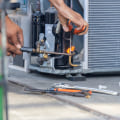
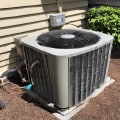
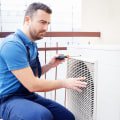
In the realm of heating, ventilation, and air conditioning (HVAC), preventative maintenance stands as a cornerstone for ensuring optimal performance and longevity of these essential systems. HVAC systems are not merely appliances; they are intricate networks that regulate indoor climate, impacting comfort, health, and energy consumption. Understanding the significance of regular maintenance is crucial for both residential and commercial property owners who wish to safeguard their investments and enhance the efficiency of their systems.At its core, HVAC preventative maintenance involves a series of scheduled inspections, cleanings, and adjustments designed to keep systems running smoothly. This proactive approach not only helps in identifying potential issues before they escalate into costly repairs but also plays a vital role in maintaining energy efficiency.
When HVAC systems are well-maintained, they operate at peak performance, which can lead to significant savings on energy bills. In fact, studies have shown that regular maintenance can reduce energy consumption by as much as 40%, making it a financially sound decision.Moreover, the benefits of HVAC maintenance extend beyond just financial savings. A well-maintained system contributes to improved indoor air quality by effectively filtering out dust, allergens, and other pollutants. This is particularly important in today’s world where air quality is increasingly linked to health outcomes.
For individuals with respiratory conditions or allergies, having a reliable HVAC system that operates efficiently can make a substantial difference in their quality of life.As we delve deeper into the various advantages of implementing a robust preventative maintenance plan for your HVAC system, it becomes clear that the investment in regular upkeep is not just about avoiding breakdowns; it’s about fostering a healthier environment and ensuring long-term operational efficiency. Understanding these aspects will empower facility managers and homeowners alike to make informed decisions regarding their HVAC systems.
The Importance of Regular HVAC Maintenance
Regular maintenance of HVAC systems is not just a recommendation; it is a necessity for ensuring the longevity and efficiency of these essential systems. The importance of HVAC maintenance cannot be overstated, as it plays a critical role in preventing issues that could lead to costly repairs or replacements.One of the primary benefits of regular HVAC maintenance is the prevention of unexpected breakdowns. Just like any mechanical system, HVAC units are subject to wear and tear over time.Without routine inspections and servicing, small issues can escalate into major problems that require extensive repairs. By scheduling regular maintenance, you can catch these issues early, saving both time and money.Moreover, regular maintenance significantly enhances the performance of your HVAC system. When components are clean and functioning properly, the system operates more efficiently. This efficiency translates into lower energy consumption, which can lead to substantial savings on utility bills.
In fact, studies have shown that well-maintained systems can operate up to 40% more efficiently than neglected ones.Another critical aspect of HVAC maintenance is its impact on indoor air quality. Over time, dust, allergens, and other pollutants can accumulate within the system. Regular cleaning and filter changes help to mitigate these issues, ensuring that the air circulating in your home or business is clean and healthy. This is particularly important for individuals with allergies or respiratory conditions.In addition to improving air quality, routine maintenance also extends the lifespan of your HVAC equipment.
Systems that receive consistent care are less likely to experience premature failures. This means you can enjoy a comfortable environment without the worry of sudden breakdowns or the need for expensive replacements.In conclusion, prioritizing regular HVAC maintenance is essential for optimal system performance, energy efficiency, and indoor air quality. By investing in a preventative maintenance plan with a reputable AC maintenance corporation, you ensure that your HVAC system remains reliable and efficient for years to come.
Key Benefits of HVAC Preventative Maintenance
Implementing a preventative maintenance plan for your HVAC system offers a multitude of benefits that can significantly enhance the performance and longevity of your equipment. Below are some of the key advantages that come with regular maintenance:- Improved Energy Efficiency : One of the most compelling reasons to invest in preventative maintenance is the substantial boost in energy efficiency it provides.
Regular inspections and tune-ups ensure that your HVAC system operates at optimal levels, which can lead to a reduction in energy consumption by as much as 40%, according to the U. S. Department of Energy. This not only translates to lower utility bills but also contributes to a more sustainable environment by reducing your carbon footprint.
- Extended Equipment Lifespan : HVAC systems are significant investments, and like any machinery, they have a finite lifespan.
However, with consistent maintenance, you can extend the life of your equipment considerably. Regular cleaning, lubrication, and adjustments help prevent wear and tear, allowing your system to function effectively for many years. This proactive approach can delay costly replacements and ensure that your investment continues to pay off.
- Enhanced Indoor Air Quality : The quality of air within your home or business is crucial for health and comfort. A well-maintained HVAC system plays a vital role in improving indoor air quality by filtering out dust, allergens, and other pollutants.
Regular maintenance includes changing filters and cleaning ducts, which helps to reduce respiratory issues and allergies among occupants. This is particularly important for vulnerable populations such as children and the elderly.
- Reduced Risk of Breakdowns : One of the most frustrating experiences for any facility manager or homeowner is an unexpected HVAC breakdown. Preventative maintenance significantly lowers the likelihood of such occurrences by identifying potential issues before they escalate into major problems. Routine inspections allow technicians to catch small malfunctions early on, which can save you from costly emergency repairs and service interruptions.
From enhancing energy efficiency and extending equipment lifespan to improving indoor air quality and minimizing breakdown risks, regular maintenance is an investment that pays dividends in comfort, health, and cost savings.
Improved Energy Efficiency
One of the most compelling reasons to invest in regular HVAC maintenance is the significant improvement in energy efficiency it offers. An HVAC system that operates efficiently not only enhances comfort but also leads to substantial savings on energy costs.When HVAC systems are neglected, they can become less efficient over time due to a variety of factors, including dirt buildup, worn-out components, and improper calibration. Regular maintenance helps to mitigate these issues by ensuring that all parts of the system are functioning optimally. Here are some key ways in which preventative maintenance contributes to improved energy efficiency:- Regular Cleaning: Dust and debris can accumulate in filters, coils, and ducts, obstructing airflow and forcing the system to work harder.
During maintenance visits, technicians clean these components, allowing for better airflow and reducing the energy required to heat or cool a space.
- System Calibration: Over time, HVAC systems can become miscalibrated, leading to inefficient operation. Technicians can recalibrate thermostats and other controls during maintenance checks to ensure that the system operates at its intended settings.
- Identifying Issues Early: Preventative maintenance allows for early detection of potential problems such as refrigerant leaks or failing components. Addressing these issues promptly can prevent further inefficiencies and costly repairs down the line.
- Optimizing Performance: Regular tune-ups help maintain the overall performance of the HVAC system. This includes checking and adjusting the refrigerant levels, inspecting electrical connections, and ensuring that all mechanical parts are lubricated and functioning correctly.
Department of Energy estimates that proper maintenance can reduce energy consumption by as much as 40%. This reduction not only translates into lower utility bills but also contributes to a smaller carbon footprint, making it an environmentally friendly choice.In conclusion, prioritizing regular HVAC maintenance is a smart investment for both residential and commercial property owners. By enhancing energy efficiency through routine inspections and cleanings, you can enjoy significant savings on energy costs while ensuring a comfortable indoor environment year-round.
Extending Equipment Lifespan
One of the most significant advantages of implementing a preventative maintenance plan for your HVAC system is its ability to extend the lifespan of your equipment. HVAC systems are substantial investments, and ensuring their longevity can lead to considerable savings over time.Regular maintenance not only helps in identifying potential issues early but also keeps the system operating at optimal efficiency.
Understanding Equipment Lifespan
The lifespan of HVAC equipment can vary widely based on several factors, including the type of system, usage patterns, and environmental conditions. On average, a well-maintained HVAC system can last anywhere from 15 to 25 years. However, without proper care, this lifespan can be significantly reduced. For instance, neglecting routine maintenance can lead to increased wear and tear, resulting in premature failures and costly replacements.
The Role of Preventative Maintenance
Preventative maintenance involves a series of scheduled inspections and services designed to keep your HVAC system running smoothly.
This proactive approach includes:
- Regular cleaning of components such as filters, coils, and ducts to ensure efficient airflow.
- Routine checks for refrigerant levels and leaks that could compromise system performance.
- Tuning up mechanical parts to prevent excessive strain on the system.
- Identifying and addressing minor issues before they escalate into major problems.
Benefits of Prolonging HVAC Systems
Extending the life of your HVAC equipment has several benefits:
- Cost Savings: Delaying the need for a new system means you can allocate funds elsewhere while enjoying reliable heating and cooling.
- Improved Performance: A well-maintained system operates more efficiently, providing better temperature control and comfort.
- Environmental Impact: Extending the lifespan of your HVAC equipment reduces waste and minimizes the environmental footprint associated with manufacturing new units.
Enhancing Indoor Air Quality
Maintaining optimal indoor air quality is essential for the health and comfort of occupants in any building, whether residential or commercial. A well-functioning HVAC system plays a pivotal role in achieving this goal by effectively filtering and circulating air throughout the space.When HVAC systems are regularly serviced and maintained, they can significantly reduce the presence of pollutants and allergens that can compromise air quality.
Understanding Indoor Air Quality
Indoor air quality (IAQ) refers to the condition of the air within buildings and how it affects the health and comfort of those who inhabit them. Poor IAQ can lead to a range of health issues, including respiratory problems, allergies, and even long-term diseases. Common indoor air pollutants include:
- Dust and Dust Mites: These tiny particles can trigger allergies and asthma symptoms.
- Pollen: A significant allergen that can enter buildings through open windows or on clothing.
- Mold Spores: Often found in damp areas, mold can cause serious respiratory issues.
- Volatile Organic Compounds (VOCs): Emitted from paints, cleaning products, and other materials, VOCs can lead to headaches and dizziness.
- Pet Dander: A common allergen for many individuals, especially in homes with pets.
The Role of HVAC Systems in Improving IAQ
A well-maintained HVAC system contributes to better indoor air quality in several ways:
- Effective Filtration: Regularly changing filters ensures that dust, pollen, and other particulates are captured before they circulate through the building.
- Humidity Control: HVAC systems help regulate humidity levels, preventing mold growth and creating a more comfortable environment.
- Ventilation: Proper ventilation systems bring in fresh outdoor air while expelling stale indoor air, diluting pollutants and improving overall air quality.
- Regular Maintenance: Scheduled inspections allow technicians to identify potential issues such as leaks or malfunctioning components that could negatively impact air quality.
Health Impacts of Poor Indoor Air Quality
The consequences of neglecting indoor air quality can be severe. Individuals exposed to poor IAQ may experience:
- Increased Allergies: Higher levels of allergens can exacerbate symptoms for those with sensitivities.
- Respiratory Issues: Prolonged exposure to pollutants can lead to chronic respiratory conditions.
- Mental Fatigue: Poor air quality has been linked to decreased cognitive function and increased fatigue.
By ensuring that your HVAC system is functioning optimally, you create a healthier environment for everyone who occupies the space.
Reducing Risk of Breakdowns and Emergency Repairs
One of the most significant advantages of implementing a preventative maintenance plan for your HVAC system is the substantial reduction in the risk of unexpected breakdowns and the associated costs of emergency repairs. Regular inspections and maintenance not only enhance the reliability of HVAC systems but also provide peace of mind for facility managers and homeowners alike.Identifying Potential Issues Early
During routine maintenance visits, qualified technicians can conduct thorough inspections to identify potential issues before they escalate into major problems. This proactive approach allows for:
- Early Detection: Technicians can spot wear and tear, loose connections, or signs of corrosion that may lead to system failures.
- Timely Repairs: By addressing minor issues promptly, you can prevent them from developing into costly repairs or complete system breakdowns.
- System Optimization: Regular maintenance ensures that all components are functioning optimally, reducing the likelihood of unexpected failures.
The Cost of Emergency Repairs
Emergency repairs can be financially burdensome. The costs associated with emergency HVAC repairs often include:
- Higher Labor Rates: Emergency service calls typically incur higher labor rates compared to scheduled maintenance visits.
- Parts Replacement: When systems break down unexpectedly, you may need to purchase replacement parts on short notice, often at a premium price.
- Disruption Costs: For businesses, a malfunctioning HVAC system can lead to operational disruptions, affecting productivity and potentially resulting in lost revenue.
Enhancing Reliability
A well-maintained HVAC system is inherently more reliable.
Regular maintenance helps ensure that all components are in good working order, which translates to:
- Consistent Performance: Systems that receive regular care are less likely to experience fluctuations in temperature or humidity levels.
- Increased Lifespan: By preventing breakdowns, you extend the overall lifespan of your HVAC equipment, delaying the need for costly replacements.
- Improved Comfort: A reliable HVAC system maintains a comfortable indoor environment, which is essential for both residential and commercial spaces.
Setting Goals for Your Preventative Maintenance Plan
Establishing clear goals for your HVAC preventative maintenance plan is essential for ensuring that your system operates efficiently and effectively. By setting specific objectives, you can create a structured approach that aligns with your facility's needs and budget. Here are some key considerations to keep in mind when planning your maintenance strategy:1.Define Your Maintenance Objectives
Start by identifying what you want to achieve with your preventative maintenance plan.Common objectives include:
- Maximizing Energy Efficiency: Aim to reduce energy consumption and lower utility bills by ensuring that your HVAC system operates at peak performance.
- Extending Equipment Lifespan: Set a goal to prolong the life of your HVAC equipment through regular inspections and timely repairs.
- Enhancing Indoor Air Quality: Focus on improving air quality by maintaining clean filters and ducts, which is crucial for occupant health.
- Minimizing Downtime: Strive to reduce unexpected breakdowns that can disrupt operations and lead to costly repairs.
2.Budgeting for HVAC Maintenance
Your budget plays a pivotal role in shaping your preventative maintenance plan. Consider the following:- Initial Investment: Determine how much you can allocate for routine maintenance services, including inspections, cleanings, and necessary repairs.
- Long-Term Savings: While preventative maintenance may seem like an upfront cost, it can lead to significant savings over time by reducing energy bills and avoiding major repairs.
- Emergency Fund: Set aside a portion of your budget for unexpected repairs or replacements that may arise despite regular maintenance efforts.
3.Resource Allocation
Having the right resources in place is crucial for the success of your maintenance plan. Consider the following aspects:- Qualified Personnel: Ensure that you have trained technicians on staff or partner with a reputable AC maintenance corporation to perform regular inspections and services.
- Scheduling Flexibility: Create a maintenance schedule that accommodates your facility's operational needs while allowing for thorough inspections and repairs.
- Monitoring Tools: Invest in technology or software that can help track maintenance schedules, service history, and performance metrics to inform future decisions.
Choosing the Right AC Maintenance Corporation
When it comes to ensuring the longevity and efficiency of your HVAC system, selecting the right AC maintenance corporation is crucial. A reputable contractor can make a significant difference in the quality of service you receive, ultimately impacting your system's performance and your overall comfort.Here are some essential factors to consider when choosing an HVAC contractor:
- Experience and Expertise: Look for a company with a proven track record in the HVAC industry. An experienced contractor will have the knowledge to handle various systems and issues. Check their credentials, certifications, and years in business to gauge their expertise.
- Reputation: Research the company's reputation by reading online reviews and testimonials. Websites like Yelp, Google Reviews, and the Better Business Bureau can provide insights into customer satisfaction.
A company with a strong reputation is more likely to deliver reliable services.
- Licensing and Insurance: Ensure that the AC maintenance corporation you choose is fully licensed and insured. This protects you from liability in case of accidents or damages during maintenance work. Verify their licenses with local authorities to confirm their legitimacy.
- Service Offerings: Different contractors may offer varying levels of service. Look for a company that provides comprehensive preventative maintenance plans, including regular inspections, cleaning, and emergency services.
This ensures that all aspects of your HVAC system are covered.
- Transparent Pricing: A trustworthy contractor should provide clear and upfront pricing without hidden fees. Request detailed estimates for maintenance services and compare them with other companies to ensure you are getting a fair deal.
- Customer Service: Evaluate the level of customer service provided by the contractor. Are they responsive to inquiries? Do they take the time to explain their services? Good communication is vital for a successful working relationship.
By taking the time to choose the right AC maintenance corporation, you can ensure that your HVAC system receives the care it needs for optimal performance and longevity.
FAQs About HVAC Preventative Maintenance
When it comes to HVAC preventative maintenance, many property owners and facility managers have questions. Understanding the nuances of maintenance can help you make informed decisions about your HVAC system. Here are some frequently asked questions that address common concerns and misconceptions.What is HVAC preventative maintenance?
HVAC preventative maintenance
refers to the routine inspections, cleanings, and adjustments performed on heating, ventilation, and air conditioning systems to ensure they operate efficiently and effectively. This proactive approach helps identify potential issues before they escalate into costly repairs or system failures.
How often should I schedule preventative maintenance?
It is generally recommended to schedule HVAC preventative maintenance at least twice a year—once in the spring for cooling systems and once in the fall for heating systems.However, depending on usage and environmental factors, more frequent maintenance may be beneficial.
What are the benefits of regular HVAC maintenance?
- Enhanced energy efficiency: Regular maintenance helps your system run more efficiently, which can lead to lower energy bills.
- Extended equipment lifespan: Keeping your HVAC system well-maintained can prolong its life, delaying the need for expensive replacements.
- Improved indoor air quality: Routine checks can help eliminate dust and allergens, contributing to a healthier indoor environment.
- Fewer unexpected breakdowns: Regular inspections can catch minor issues before they develop into major problems, reducing the risk of system failures.
Can I perform HVAC maintenance myself?
While some basic tasks like changing air filters can be done by homeowners, most HVAC maintenance should be performed by qualified professionals. Technicians have the expertise and tools necessary to conduct thorough inspections and repairs safely.What should I expect during a maintenance visit?
During a typical HVAC maintenance visit, a technician will:- Inspect and clean components such as coils, filters, and blowers.
- Check refrigerant levels and test for leaks.
- Calibrate thermostats and controls for optimal performance.
- Examine ductwork for blockages or leaks that could affect airflow.
Is preventative maintenance worth the cost?
Investing in preventative maintenance is often more cost-effective than waiting for a breakdown. The savings from reduced energy bills, fewer repairs, and extended equipment life typically outweigh the costs associated with regular service visits.If you have further questions about HVAC preventative maintenance or need assistance with your system, consider reaching out to an AC maintenance corporation. They can provide tailored advice and services to meet your specific needs.Conclusion: The Long-Term Value of Preventative Maintenance for Your HVAC System
In summary, the long-term value of implementing a preventative maintenance plan for your HVAC system cannot be overstated.As we have explored throughout this article, the benefits extend far beyond mere cost savings; they encompass improved energy efficiency, enhanced indoor air quality, and a significant reduction in the risk of unexpected breakdowns.By prioritizing regular maintenance through a reputable AC maintenance corporation, you are not only safeguarding your investment but also ensuring that your HVAC system operates at its optimal level. This proactive approach allows you to:
- Maximize Energy Efficiency: Regular tune-ups and inspections can lead to substantial reductions in energy consumption, translating into lower utility bills.
- Extend Equipment Lifespan: Consistent care and attention can delay the need for costly replacements, allowing your HVAC system to serve you effectively for many years.
- Enhance Indoor Air Quality: A well-maintained system plays a crucial role in filtering out pollutants and allergens, contributing to a healthier living or working environment.
- Minimize Disruptions: By identifying potential issues early on, you can avoid the inconvenience and expense associated with emergency repairs.