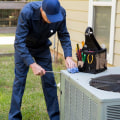
To fully appreciate the importance of AC maintenance, it is essential to understand the fundamental workings of air conditioning systems. These systems are designed to regulate indoor temperatures, ensuring comfort during the sweltering summer months. At their core, air conditioning units operate on a simple principle: they remove heat from the indoor air and transfer it outside, creating a cooler environment. This process involves several key components that work in harmony to achieve efficient cooling.One of the primary components of an air conditioning system is the compressor.
Often referred to as the heart of the system, the compressor circulates refrigerant through the system, compressing it into a high-pressure gas. This gas then moves to the condenser coils, where it releases heat and transforms back into a liquid state. The cooled refrigerant is then sent to the evaporator coils, where it absorbs heat from the indoor air, effectively cooling it down before circulating it back into your living space.In addition to the compressor and evaporator coils, other vital components include the expansion valve , which regulates refrigerant flow, and the blower fan , which distributes cooled air throughout your home. Understanding these components is crucial for recognizing how they contribute to your AC's overall performance and efficiency.
When any part of this intricate system malfunctions or experiences wear and tear, it can lead to decreased efficiency and increased energy costs.Moreover, regular maintenance is key to ensuring that all these components function optimally. Neglecting routine checks can lead to issues such as low refrigerant levels or even complete system failure. By grasping how air conditioning systems operate and their essential components, homeowners can better appreciate the significance of timely maintenance and recharging, ultimately leading to a more comfortable living environment.
What Does It Mean to Recharge an AC?
Recharging an air conditioning (AC) unit is a critical maintenance process that involves adding refrigerant to the system. But what exactly does this entail, and why is it so important? To understand the significance of recharging, we first need to delve into the role of refrigerant in the cooling process.What is Refrigerant?
Refrigerant is a specialized fluid that circulates through the AC system, absorbing heat from the indoor air and releasing it outside.
This process is essential for cooling your home or office effectively. The refrigerant undergoes phase changes—transforming from a liquid to a gas and back again—allowing it to absorb and release heat efficiently. Common types of refrigerants include R-22 and R-410A, each with its own properties and environmental considerations.
The Importance of Recharging
Over time, an AC unit can lose refrigerant due to leaks or normal wear and tear. When the refrigerant levels drop below optimal levels, the system struggles to cool effectively, leading to increased energy consumption and potential damage to the compressor.
Recharging the AC involves locating any leaks, repairing them, and then adding the appropriate amount of refrigerant back into the system.
Signs Your AC Needs Recharging
- Warm Air: If your AC is blowing warm air instead of cool, it may indicate low refrigerant levels.
- Inefficient Cooling: Inconsistent temperatures throughout your space can signal that your AC needs recharging.
- Icing on Coils: Frost or ice buildup on the evaporator coils is a clear sign that something is wrong with your refrigerant levels.
Signs Your AC Needs Recharging
Recognizing the signs that your air conditioning unit needs recharging is crucial for maintaining optimal performance and comfort in your home or business. Ignoring these symptoms can lead to more significant issues, including costly repairs or even complete system failure.Here are some key indicators that your AC may be low on refrigerant and in need of recharging:
- Warm Air from Vents: One of the most obvious signs that your AC is struggling is when it starts blowing warm air instead of cool. If you notice that the air coming from your vents feels lukewarm or hot, it could indicate a refrigerant leak.
- Inconsistent Cooling: If certain rooms in your home are significantly warmer than others, this inconsistency may suggest that your AC is not functioning properly. Low refrigerant levels can cause uneven cooling, making it difficult to maintain a comfortable temperature throughout your space.
- Frost or Ice Buildup: Another telltale sign of low freon levels is the presence of frost or ice on the evaporator coil. This occurs when the refrigerant level drops too low, causing the coil to freeze over.
If you see ice forming, it's essential to turn off your AC and call a professional.
- Increased Energy Bills: If you notice a sudden spike in your energy bills without any change in usage patterns, it could be due to your AC working harder to compensate for low refrigerant levels. An inefficient system consumes more energy, leading to higher costs.
- Unusual Noises: Pay attention to any strange sounds coming from your AC unit. Hissing or bubbling noises may indicate a refrigerant leak, while other unusual sounds could signal mechanical issues that require immediate attention.
Regular maintenance checks can also help identify potential issues before they escalate, keeping your unit in top condition and extending its lifespan.
Factors Influencing Recharging Frequency
Understanding the factors that influence how often you need to recharge your air conditioning unit is crucial for maintaining its efficiency and longevity. Several elements come into play, each affecting the frequency of recharging in different ways.Age of the Unit
The age of your air conditioning system is one of the most significant factors. Older units, particularly those over ten years old, are more prone to leaks and inefficiencies. As systems age, components wear out, leading to a gradual loss of refrigerant.If you own an older model, you may find yourself needing to recharge it more frequently than newer models.
Usage Patterns
Your air conditioner's usage patterns also play a vital role in determining how often it needs recharging. For instance:- High Usage: If you run your AC continuously during hot months, it will naturally deplete refrigerant faster than a unit that is used sporadically.
- Seasonal Use: Units that are only used seasonally may not require recharging as often, but they still need regular checks to ensure they are functioning properly when needed.
Maintenance Practices
Regular maintenance is essential for prolonging the life of your AC and minimizing the need for recharges. Here are some maintenance practices that can help:- Routine Inspections: Schedule annual inspections with a qualified HVAC technician to identify potential issues before they escalate.
- Cleaning Filters: Regularly clean or replace air filters to ensure optimal airflow and efficiency.
- Checking for Leaks: Have your technician check for refrigerant leaks during maintenance visits. Early detection can prevent significant refrigerant loss.
By understanding these factors and taking proactive steps, you can enhance your air conditioner's performance and extend its lifespan.
The Importance of Regular Maintenance
Regular maintenance of your air conditioning system is not just a recommendation; it is a necessity for ensuring optimal performance and longevity. By investing time and resources into AC maintenance , homeowners can significantly enhance the efficiency of their units while minimizing the likelihood of costly repairs and frequent recharges.One of the primary benefits of regular maintenance is the extension of your AC unit's lifespan. Just like any other mechanical system, air conditioners are subject to wear and tear. Routine checks can identify potential issues before they escalate into major problems.For instance, a simple cleaning of the filters and coils can prevent dirt buildup, which can strain the system and lead to premature failure.Moreover, regular maintenance helps in maintaining energy efficiency. An AC unit that is well-maintained operates more efficiently, consuming less energy to cool your space. This not only translates to lower utility bills but also reduces the environmental impact associated with higher energy consumption.Here are some essential AC maintenance tips to keep your system running smoothly:
- Change or clean filters regularly: Clogged filters restrict airflow, making your AC work harder.
- Inspect the ductwork: Ensure there are no leaks or blockages that could hinder airflow.
- Check refrigerant levels: Low refrigerant can indicate leaks that need professional attention.
- Clean the condenser coils: Dust and debris can accumulate on coils, reducing efficiency.
- Schedule annual professional inspections: A qualified technician can perform a thorough check-up and tune-up.
By adhering to a consistent maintenance schedule, you can avoid the inconvenience of an AC failure when you need it most.In conclusion, prioritizing regular maintenance for your air conditioning system is a smart investment that pays off in numerous ways. From extending the lifespan of your unit to enhancing energy efficiency and reducing repair costs, proper care is essential for keeping your home comfortable year-round.
DIY vs. Professional Recharging: What You Need to Know
When it comes to recharging your air conditioning system, you may be tempted to take the DIY route. However, understanding the differences between DIY AC recharge and hiring professional HVAC services is crucial for ensuring the longevity and efficiency of your unit.DIY AC Recharge: Pros and Cons
- Cost Savings: One of the main advantages of a DIY recharge is the potential for cost savings.
Purchasing a refrigerant kit can be less expensive than hiring a professional.
- Convenience: If you have some technical knowledge, you might find it convenient to recharge your AC on your own schedule.
- Learning Experience: For those interested in home maintenance, performing a DIY recharge can be a valuable learning experience.
- Safety Hazards: Refrigerants can be hazardous. Improper handling can lead to serious injuries or health issues.
- System Damage: Without proper knowledge, you risk overcharging or undercharging your system, which can lead to costly repairs or even complete system failure.
- Leak Detection: A DIY approach often overlooks the critical step of identifying leaks. If your system has a leak, simply adding refrigerant will not solve the underlying problem.
When to Call an Expert
If you notice any signs of low refrigerant levels—such as warm air blowing from vents or inconsistent cooling—it's time to call in a professional. Here are some scenarios where expert help is advisable:
- If your AC is older and has not been serviced in years.
- If you suspect a refrigerant leak or have noticed ice buildup on the evaporator coil.
- If you lack the tools or knowledge to safely perform a recharge.
- If your unit requires frequent recharging, indicating a more serious issue.
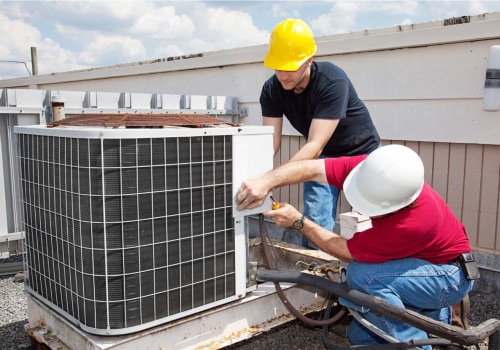
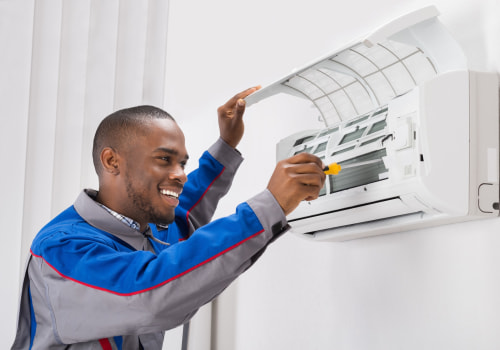
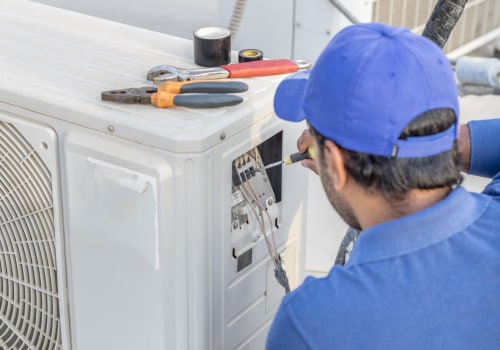
Professional HVAC services not only ensure that the job is done correctly but also provide peace of mind knowing that your system is in capable hands. Trusting an AC maintenance corporation can save you time, money, and potential headaches in the long run.
Common Myths About AC Recharging
When it comes to air conditioning systems, there are numerous myths and misconceptions that can lead homeowners to make poor decisions regarding their HVAC maintenance. Understanding the truth behind these myths is essential for ensuring your system operates efficiently and effectively.Myth 1: You Should Recharge Your AC Every Year
One of the most prevalent myths is that air conditioning units need to be recharged with refrigerant annually. In reality, a properly functioning AC system should not require frequent recharging.
If your unit is low on refrigerant, it often indicates a leak or another underlying issue that needs to be addressed. Regular maintenance by a qualified AC maintenance corporation can help identify and fix these problems before they escalate.
Myth 2: Adding Refrigerant Will Fix All Problems
Many homeowners believe that simply adding refrigerant will solve any cooling issues they experience. However, this is misleading. While replenishing refrigerant can temporarily improve performance, it does not address the root cause of the problem, such as leaks or mechanical failures.
A professional technician should always diagnose the issue before adding refrigerant.
Myth 3: All Refrigerants Are the Same
Another common misconception is that all refrigerants are interchangeable. In fact, different types of refrigerants have unique properties and are designed for specific systems. Using the wrong type can lead to inefficiency and potential damage to your AC unit. Always consult with an expert to ensure you are using the correct refrigerant for your system.
Myth 4: If My AC Is Blowing Cold Air, It Doesn’t Need Recharging
Just because your air conditioner is blowing cold air does not mean it is functioning optimally.
Low refrigerant levels can still allow for some cooling, but it may not be sufficient to maintain comfortable temperatures during peak heat. Regular checks by a professional can help ensure your system is in top shape.
Myth 5: DIY Refrigerant Recharging Is Safe
Some homeowners may attempt to recharge their AC systems themselves, believing it to be a simple task. However, handling refrigerants requires specialized knowledge and equipment due to safety concerns and environmental regulations. It’s always best to leave this task to trained professionals who understand the complexities of HVAC systems.By debunking these common myths about AC recharging, homeowners can make more informed decisions regarding their HVAC systems.
Regular maintenance and professional inspections are key to ensuring your air conditioning unit operates efficiently and lasts for years to come.
Frequently Asked Questions (FAQs)
When it comes to air conditioning systems, many homeowners have questions about the recharging process and overall maintenance. Here are some of the most frequently asked questions regarding AC recharge and maintenance, along with expert answers to help you better understand your HVAC system.1.How do I know if my AC needs to be recharged?
There are several indicators that your air conditioning unit may require a recharge:- Warm Air: If your AC is blowing warm air instead of cool, it could be a sign of low refrigerant levels.
- Inconsistent Cooling: If certain rooms in your home are not cooling as effectively as others, this may indicate a refrigerant issue.
- Frost or Ice Buildup: Ice forming on the evaporator coil is a clear sign that your system is not functioning properly and may need a recharge.
2.How often should I have my AC serviced?
It is generally recommended to have your air conditioning system serviced at least once a year. Regular maintenance can help identify potential issues before they become major problems, ensuring that your system runs efficiently and lasts longer.3.Can I recharge my AC myself?
While there are DIY kits available for recharging AC units, it is advisable to hire a professional HVAC technician. They have the expertise to identify leaks and ensure that the correct amount of refrigerant is added, which is crucial for the system's performance and longevity.4.What happens if I don’t recharge my AC?
If you neglect to recharge your AC when needed, it can lead to several issues:- Increased Energy Costs: An undercharged system has to work harder to cool your space, leading to higher energy bills.
- System Damage: Low refrigerant levels can cause the compressor to overheat and fail, resulting in costly repairs or replacement.
- Poor Air Quality: A malfunctioning AC can lead to humidity issues and poor indoor air quality.
5.How can I prevent my AC from needing frequent recharges?
To minimize the need for frequent recharges, consider the following tips:- Regular Maintenance: Schedule annual inspections and tune-ups with a qualified HVAC contractor.
- Avoid Overworking Your System: Use fans or natural ventilation when possible to reduce strain on your AC.
- Seal Leaks: Ensure that windows and doors are properly sealed to prevent cool air from escaping.
Conclusion: Keeping Your AC in Top Shape
In summary, maintaining your air conditioning system is crucial for ensuring its longevity and efficiency.Throughout this article, we have explored the various aspects of AC maintenance, emphasizing the importance of regular checks and timely recharges. By understanding how often to recharge your AC and recognizing the signs that indicate low refrigerant levels, you can take proactive steps to keep your system running smoothly.One of the key takeaways is that while a general guideline suggests recharging your AC every two to five years, this can vary significantly based on several factors. The age and size of your unit, the frequency of use, and the quality of installation all play vital roles in determining how often your system may need attention. For instance, older units or those that experience heavy usage may require more frequent servicing.Additionally, being aware of symptoms such as warm air blowing from vents or ice buildup on the evaporator coil can help you identify potential issues before they escalate.
Ignoring these signs can lead to more severe problems, resulting in costly repairs or even premature replacement of your unit.Regular maintenance not only enhances performance but also improves energy efficiency, which can lead to lower utility bills. Scheduling routine inspections with a qualified AC maintenance corporation ensures that any minor issues are addressed promptly, preventing them from developing into major concerns.Ultimately, investing in your air conditioning system through consistent care and professional support will pay off in the long run. By prioritizing maintenance and being vigilant about recharging when necessary, you can enjoy a comfortable indoor environment year-round without unexpected disruptions.In conclusion, don’t hesitate to reach out to experienced HVAC professionals for assistance. Their expertise will help you navigate the complexities of AC maintenance and ensure that your system remains in top shape for years to come.