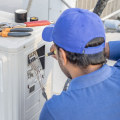
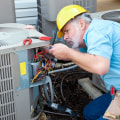
Maintaining a comfortable indoor environment is essential for any homeowner, especially during the sweltering summer months when air conditioning units work overtime. However, many people overlook the critical role that regular maintenance plays in ensuring their AC systems operate efficiently and effectively. Understanding the importance of AC maintenance is the first step toward prolonging the life of your unit and enhancing its performance. Regular maintenance not only helps in identifying potential issues before they escalate into costly repairs but also significantly improves energy efficiency. A well-maintained air conditioning system can operate at peak performance, which translates to lower energy bills and a reduced carbon footprint.
Homeowners who invest in routine service can enjoy a more reliable cooling system, ensuring that their homes remain comfortable even during the hottest days of the year. Moreover, neglecting AC maintenance can lead to a host of problems, including decreased air quality and increased wear and tear on the unit. Dust and debris can accumulate in filters and coils, leading to reduced airflow and strain on the system. This not only affects cooling efficiency but can also contribute to health issues for residents, particularly those with allergies or respiratory conditions. By prioritizing regular AC service, homeowners can safeguard their health while also protecting their investment. In summary, understanding the significance of regular AC maintenance is crucial for homeowners who wish to maintain a comfortable living environment while avoiding unexpected breakdowns and high repair costs.
The benefits of routine service extend beyond mere convenience; they encompass energy savings, improved air quality, and enhanced system longevity. As we delve deeper into this topic, we will explore specific maintenance practices and their profound impact on your home’s air conditioning system.
How Regular Maintenance Enhances Efficiency
Regular maintenance of your air conditioning unit is not just a good practice; it is essential for enhancing the overall efficiency of the system. When an AC unit is well-maintained, it operates more effectively, which translates to lower energy bills and improved comfort in your home.One of the primary ways that maintenance boosts AC efficiency is through the cleaning and replacement of filters. Clogged or dirty filters restrict airflow, forcing the system to work harder to cool your home.This increased workload not only raises energy consumption but can also lead to premature wear and tear on the unit. By regularly changing or cleaning filters, homeowners can ensure that their AC units run smoothly and efficiently.Another critical aspect of maintenance involves checking and cleaning the coils. The evaporator and condenser coils can accumulate dirt over time, which impedes their ability to absorb and release heat effectively. When these coils are clean, the system can maintain optimal temperatures with less energy.
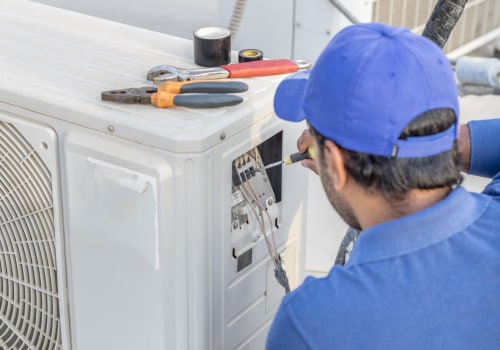
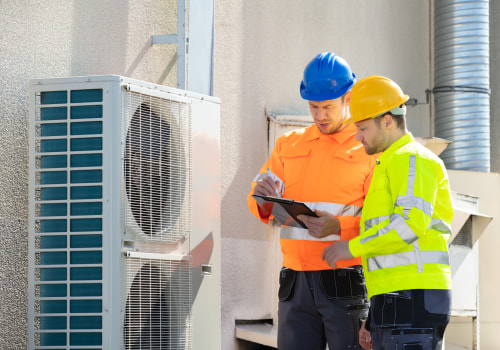
A professional technician will typically inspect these coils during routine maintenance, ensuring they are free from debris and functioning correctly.Additionally, maintaining proper refrigerant levels is vital for efficient operation. Low refrigerant levels can cause the system to struggle in cooling your home, leading to higher energy usage. During a maintenance check, a technician will assess refrigerant levels and make necessary adjustments, ensuring that your AC unit operates at peak performance.Regular maintenance also includes inspecting the thermostat settings. A malfunctioning thermostat can lead to inefficient cooling cycles, causing the unit to run longer than necessary.
By ensuring that the thermostat is calibrated correctly, homeowners can optimize their AC's performance and reduce energy costs.Moreover, checking the condensate drain is crucial for maintaining efficiency. A clogged drain can lead to water damage and increased humidity levels in your home, forcing the AC unit to work harder to achieve desired temperatures. Regularly clearing this drain helps maintain optimal humidity levels and prevents unnecessary strain on the system.In summary, regular maintenance tasks such as changing filters, cleaning coils, checking refrigerant levels, calibrating thermostats, and clearing condensate drains significantly enhance AC efficiency. By investing in routine maintenance through a reputable AC maintenance corporation, homeowners not only improve their system's performance but also enjoy substantial energy savings over time.
Key Components of an AC Unit That Require Maintenance
Understanding the key components of an air conditioning unit is essential for effective AC maintenance.Each part plays a crucial role in the overall functionality and efficiency of the system. Regular attention to these components can prevent costly repairs and ensure optimal performance.
- Filters: The air filter is one of the most critical components of an AC unit. It traps dust, dirt, and other airborne particles, preventing them from entering the system and affecting indoor air quality. Clogged filters can restrict airflow, causing the unit to work harder and consume more energy.
It is recommended to check and replace filters every 1-3 months, especially during peak usage seasons.
- Coils: The evaporator and condenser coils are vital for heat exchange in an air conditioning system. Over time, these coils can accumulate dirt and debris, which reduces their ability to absorb and release heat effectively. Regular cleaning of the coils is necessary to maintain efficiency. Neglecting this maintenance can lead to overheating and eventual system failure.
- Fins: The fins on the evaporator and condenser coils help facilitate airflow around these components.
They can become bent or clogged with debris, obstructing airflow and reducing efficiency. Straightening bent fins and keeping them clean is an important maintenance task that should not be overlooked.
- Drain Line: The condensate drain line removes excess moisture from the air conditioning system. If this line becomes clogged, it can lead to water damage and mold growth within your home. Regularly checking and clearing the drain line is essential to prevent these issues.
- Thermostat: The thermostat controls the temperature settings of your AC unit.
Ensuring that it is functioning correctly is crucial for maintaining comfort levels in your home. Periodic calibration checks can help ensure that your thermostat communicates accurately with the AC unit.
Signs Your AC Unit Needs Maintenance
Recognizing the signs that your air conditioning unit requires maintenance is crucial for ensuring its longevity and efficiency. Ignoring these indicators can lead to more severe problems and costly repairs down the line.Here are some common signs that suggest your AC unit may need professional attention:
- Unusual Noises: If your AC unit starts making strange sounds such as grinding, squealing, or banging, it could indicate a mechanical issue. These noises often signal that components are wearing out or that there is a loose part within the system.
- Inconsistent Temperatures: If you notice that certain rooms in your home are warmer or cooler than others, it may be a sign of an issue with your AC unit. This inconsistency can stem from problems with the ductwork, refrigerant levels, or even the thermostat itself.
- Increased Energy Bills: A sudden spike in your energy bills without a corresponding increase in usage can indicate that your AC unit is working harder than it should. This inefficiency often results from neglected maintenance, leading to higher energy consumption.
- Weak Airflow: If the airflow from your vents feels weak or insufficient, it may be time to check your AC unit.
Blocked ducts, dirty filters, or failing fans can all contribute to reduced airflow.
- Foul Odors: Unpleasant smells emanating from your AC unit can indicate mold growth or electrical issues. If you detect a musty odor, it’s essential to address it promptly to avoid health risks and further damage.
- Frequent Cycling: If your air conditioner frequently turns on and off (a phenomenon known as short cycling), it may be struggling to maintain the desired temperature. This issue can lead to increased wear and tear on the system.
- Water Leaks: Any signs of water pooling around your AC unit or inside your home can indicate a clogged drain line or other serious issues. Water leaks not only damage your property but can also lead to mold growth.
Regular maintenance not only helps in identifying these issues early but also ensures that your air conditioning system operates efficiently throughout its lifespan.
DIY Maintenance Tips for Homeowners
Maintaining your home air conditioning unit doesn't have to be a daunting task. With a few simple DIY maintenance tips, homeowners can ensure their AC systems run efficiently between professional services. Here are some practical steps you can take to care for your air conditioner:- Regularly Replace or Clean Filters: One of the easiest and most effective ways to maintain your AC unit is by checking and replacing or cleaning the air filters. Clogged filters restrict airflow, making your system work harder and less efficiently.
Aim to check your filters every month, especially during peak usage seasons, and replace or clean them every 1-3 months.
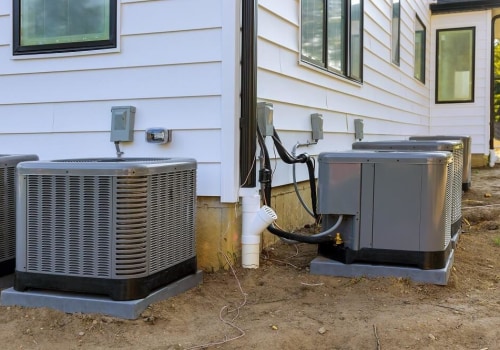
- Keep the Outdoor Unit Clear: Ensure that the outdoor condenser unit is free from debris such as leaves, dirt, and grass clippings. A clear space of at least two feet around the unit allows for proper airflow. Regularly inspect the area and remove any obstructions that could hinder performance.
- Inspect the Insulation: Check the insulation on refrigerant lines that run between the indoor and outdoor units. If you notice any wear or damage, replace it to prevent energy loss.
Proper insulation helps maintain the efficiency of your AC system.
- Clean the Condensate Drain: A clogged condensate drain can lead to water damage and increased humidity levels in your home. To prevent this, locate the drain line and use a wet/dry vacuum to remove any blockages. You can also flush it with a mixture of vinegar and water to keep it clear.
- Test Your Thermostat: Ensure that your thermostat is functioning correctly by testing its accuracy. If you have a programmable thermostat, check that it is set to appropriate temperatures for different times of the day.
Consider upgrading to a smart thermostat for enhanced control over your home's climate.
- Schedule Seasonal Checks: While these DIY tasks are essential, they should complement regular professional maintenance. Schedule seasonal checks with an AC maintenance corporation to ensure all components are functioning optimally.
Cost-Benefit Analysis of Regular AC Maintenance
When considering the cost of AC maintenance, many homeowners may initially view it as an unnecessary expense. However, a deeper analysis reveals that regular maintenance can lead to significant financial benefits in the long run.By investing in routine servicing, homeowners can avoid the hefty costs associated with major repairs and replacements that often arise from neglect.One of the primary advantages of regular AC maintenance is its role in enhancing the efficiency of the system. An air conditioning unit that is well-maintained operates more efficiently, which translates to lower energy bills. According to the U. S.
Department of Energy, a well-maintained air conditioner can save homeowners up to 15% on their cooling costs. This reduction in energy consumption not only benefits your wallet but also contributes to a more sustainable environment.Moreover, regular servicing can help identify minor issues before they escalate into major problems. For instance, a small refrigerant leak or a dirty filter can lead to decreased performance and increased energy usage. If left unaddressed, these minor issues can result in costly repairs or even complete system failure.
By scheduling annual maintenance with a reputable AC maintenance corporation, homeowners can catch these problems early and avoid unexpected expenses.In addition to preventing costly repairs, regular maintenance can extend the lifespan of your AC unit. Most air conditioning systems have a lifespan of 10 to 15 years, but with proper care, they can last even longer. This longevity means that homeowners will not need to invest in a new system as frequently, saving thousands of dollars over time.To illustrate the financial wisdom of regular AC maintenance, consider the following:
- Annual Maintenance Cost: Typically ranges from $100 to $300.
- Potential Repair Costs: A major repair can cost anywhere from $500 to $2,000 or more.
- Energy Savings: Regular maintenance can lead to savings of 10-15% on energy bills annually.
- Extended Lifespan: Properly maintained units can last several years longer than neglected ones.
Seasonal Considerations for AC Maintenance
Understanding the seasonal effects on your air conditioning unit is crucial for maintaining its efficiency and longevity.Each season presents unique challenges and opportunities for homeowners to ensure their AC systems are in optimal condition.
Spring Maintenance
- As temperatures begin to rise, it’s essential to prepare your AC unit for the upcoming heat. Schedule a maintenance check in early spring, ideally before the peak cooling season begins.
- During this time, a technician can clean the coils, check refrigerant levels, and inspect electrical components. This proactive approach helps prevent breakdowns when you need your AC the most.
- Additionally, replace or clean filters to improve airflow and efficiency.
Summer Considerations
- Summer is the busiest time for air conditioning units, and they often work overtime. Regularly check your filters and replace them monthly if necessary.
- Keep an eye on the outdoor unit; ensure it’s free from debris like leaves and dirt that can obstruct airflow.
- If you notice any unusual noises or a decrease in cooling efficiency, contact an AC maintenance corporation immediately to address potential issues before they escalate.
Fall Preparations
- As summer fades into fall, it’s time to prepare your AC unit for the cooler months.
Schedule a maintenance appointment to ensure everything is functioning correctly before winter sets in.
- This is also a good time to cover your outdoor unit with a protective cover to shield it from falling leaves and snow.
- Consider switching your thermostat settings to prepare for heating needs while ensuring your AC system remains in good shape.
Winter Care
- While winter may not seem like a critical time for AC maintenance, it’s essential to keep the unit protected from harsh weather conditions. Ensure that any exposed pipes are insulated to prevent freezing.
- If you have a heat pump system, regular checks are necessary even in winter months to ensure it operates efficiently when needed.
- Use this downtime to schedule a comprehensive inspection of your AC system so that it’s ready for the next cooling season.
Frequently Asked Questions About AC Maintenance
Homeowners often have numerous questions regarding the maintenance of their air conditioning systems. Understanding these common queries can help demystify the process and encourage proactive care for your AC unit.Below are some frequently asked questions about AC maintenance that can assist you in keeping your system running efficiently.
What are the signs that my AC unit needs maintenance?
Several indicators suggest that your air conditioning system may require attention:- Unusual noises: If you hear grinding, squealing, or banging sounds, it may indicate a mechanical issue.
- Inconsistent temperatures: If certain rooms are warmer or cooler than others, it could signal a problem with airflow or ductwork.
- Increased energy bills: A sudden spike in your energy costs may suggest that your AC unit is working harder than necessary due to inefficiencies.
- Foul odors: Unpleasant smells can indicate mold growth or electrical issues within the unit.
How often should I schedule professional maintenance?
It is generally recommended to have your AC unit professionally serviced at least once a year. Scheduling this maintenance before the summer months can ensure that your system is prepared for the increased demand. Additionally, if you notice any of the signs mentioned above, it may be wise to seek professional help sooner.Can I perform maintenance on my AC unit myself?
While some basic maintenance tasks can be performed by homeowners, such as changing filters and cleaning debris from around the outdoor unit, more complex issues should be handled by professionals. Attempting to fix intricate problems without proper training can lead to further damage and costly repairs.What should I do if my AC unit is not cooling properly?
If your air conditioning system is not providing adequate cooling, consider the following troubleshooting steps:- Check the thermostat: Ensure it is set to a lower temperature than the current room temperature.
- Inspect air filters: Dirty filters can restrict airflow and reduce efficiency.
Replace them if necessary.
- Examine vents: Make sure that all vents are open and unobstructed by furniture or other objects.
- Look for ice buildup: Ice on the evaporator coils can indicate low refrigerant levels or airflow issues. If you see ice, turn off the unit and call a professional.
Conclusion: The Long-Term Benefits of Regular AC Maintenance
In conclusion, the significance of regular maintenance for home AC units cannot be overstated. By prioritizing AC maintenance, homeowners not only enhance the efficiency and longevity of their systems but also contribute to a more comfortable living environment. The benefits of routine upkeep extend far beyond immediate performance improvements; they pave the way for long-term savings and peace of mind.Throughout this article, we have explored various aspects of AC maintenance, including the necessity of annual professional inspections, the importance of cleaning filters and coils, and the role of a well-functioning thermostat.Each of these elements plays a crucial part in ensuring that your air conditioning system operates at peak performance. Regular maintenance helps to identify potential issues before they escalate into costly repairs, allowing homeowners to address minor problems proactively.Moreover, maintaining your AC unit can lead to significant energy savings. A well-maintained system operates more efficiently, consuming less energy and reducing utility bills. This is particularly important during the sweltering summer months when demand for cooling is at its highest.
By investing in regular maintenance, you can avoid the pitfalls of unexpected breakdowns and inflated repair costs.Additionally, regular servicing contributes to better indoor air quality. Clean filters and coils help to minimize allergens and pollutants circulating in your home, promoting a healthier living space for you and your family. This is especially vital for individuals with respiratory issues or allergies.As we wrap up our discussion on the importance of AC maintenance, it is essential to take action. Schedule your annual maintenance appointment with a reputable AC maintenance corporation today.
By doing so, you are not only safeguarding your investment but also ensuring that your home remains a sanctuary of comfort throughout the year.In summary, regular AC maintenance is an investment in your home’s comfort, efficiency, and health. Don’t wait for problems to arise; be proactive in caring for your air conditioning system. Your future self—and your wallet—will thank you.